A light sleeper wants overnight trends without a glowing watch on the wrist, while a gym routine already includes a traditional watch for workouts. A ring could fill the gap, but swollen fingers after exercise, weight training, charging habits, and an app subscription can matter more after six months than the first week of charts.
Quick answer
Order the sizing kit first and wear the sample through sleep, work, washing, and exercise. Then choose the ecosystem: Oura emphasizes a membership-led analysis experience, Samsung fits naturally into a Galaxy phone and Samsung Health routine, and Ultrahuman positions its ring without a recurring data subscription. Health features are wellness tools, not a diagnosis.
People who want passive sleep and recovery trends with fewer wrist notifications. A ring is a poor fit for anyone whose work or training makes finger jewelry unsafe, painful, or impractical.
Our scenario-based picks
Product links below help you check current availability. We never invent a live price, and our recommendations are not sold to manufacturers.
Best for a guided insight ecosystem
Oura Ring
Best for: People who value interpreted sleep, readiness, and activity trends
Oura combines its ring hardware with an app built around daily scores and longer-term trends, and its current support documentation explains the full-data membership model.
Know the tradeoff: Most detailed insights require an ongoing membership, and correct sizing remains essential.
Best for a Galaxy phone routine
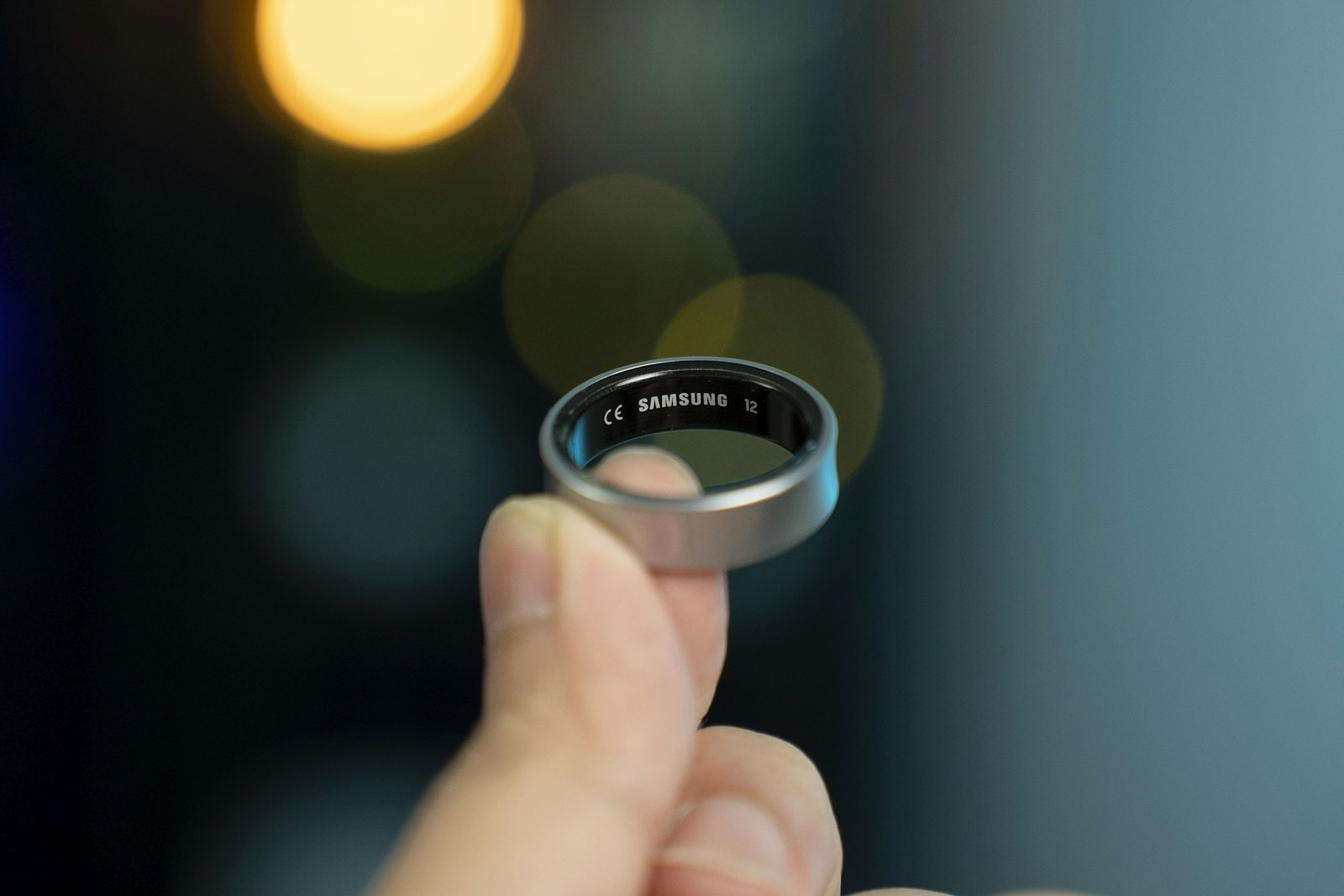
Samsung Galaxy Ring
Best for: Samsung Health users who want a ring alongside other Galaxy devices
Samsung documents sleep, activity, and wellness features integrated with its phone app, with battery expectations that vary by ring size and use.
Know the tradeoff: Compatibility and feature availability depend on supported Android hardware, region, account, and software.
Best subscription-free approach
Ultrahuman Ring AIR
Best for: Buyers who prefer core ring insights without a recurring data plan
Ultrahuman markets the Ring AIR around sleep, movement, and recovery insights without a subscription for standard ring data.
Know the tradeoff: The value still depends on liking its app interpretation, and specialty features or services may have separate terms.
Size for a full day, not five minutes
Finger size changes with temperature, salt intake, sleep, and training. Wear the sizing sample on the intended finger for at least a full day and night, then repeat during normal exercise before choosing.
The sensors need consistent skin contact without cutting circulation. If the ring spins freely, pinches in the morning, or becomes difficult to remove after activity, try another size or finger.
Price the software over the ownership period
A membership can fund deeper interpretation and new features, but it changes the true cost. Read what remains visible if the plan ends, how data exports work, and whether a family or coaching feature costs extra.
Subscription-free does not automatically mean better. Compare which app turns the measurements into decisions you understand rather than counting the largest number of charts.
Separate wellness signals from medical answers
Sleep stages, readiness, stress, temperature trends, and activity estimates are models built from sensor data. Use trends as prompts to notice habits, not as proof of illness or recovery.
Check regional availability for regulated health features and seek qualified medical advice for symptoms. Privacy settings, cloud retention, account security, and deletion options deserve the same attention as battery life.
Make the ring fit real exercise
Remove rings for gripping barbells, climbing, machinery, or tasks where jewelry can catch. If another wearable already records workouts well, let the ring focus on sleep and background trends instead of forcing one device to do everything.
Charging is easiest when paired with a repeatable low-risk moment such as showering or desk work. Published battery figures are estimates; size, feature settings, age, and temperature change the interval.
Use the return window as a fit test
A good sizing kit narrows the choice, but the final material and inner sensor shape can feel different. Keep the packaging and check the return policy before wearing the ring in situations that could scratch it.
Evaluate comfort, sync reliability, app clarity, and whether the data changes a useful habit. If it only adds another morning score to worry about, the simpler purchase may be no ring at all.
Before you buy
- Use the official sizing kit before ordering
- Wear the sample overnight and during normal exercise
- Confirm phone, operating-system, account, and region support
- Calculate any membership cost over two years
- Review data export, retention, and deletion controls
- Plan removal for lifting, tools, and machinery
- Check the return and replacement terms
Frequently asked questions
Which finger is best for a smart ring?
Follow the manufacturer guidance and choose the finger where the supplied sizer stays comfortably in contact through a full day. Fit matters more than a universal finger rule.
Can a smart ring replace a smartwatch?
It can replace passive sleep and wellness tracking for some people, but a watch is usually better for screens, notifications, live workout metrics, and GPS-based activities.
Are smart-ring sleep stages medically accurate?
They are consumer wellness estimates, not a sleep-lab diagnosis. Longer-term patterns may be useful, but symptoms and treatment questions belong with a clinician.
Sources and further reading
Specifications and compatibility details were last checked on October 25, 2026. Manufacturer pages can change; confirm the current product page before purchasing.